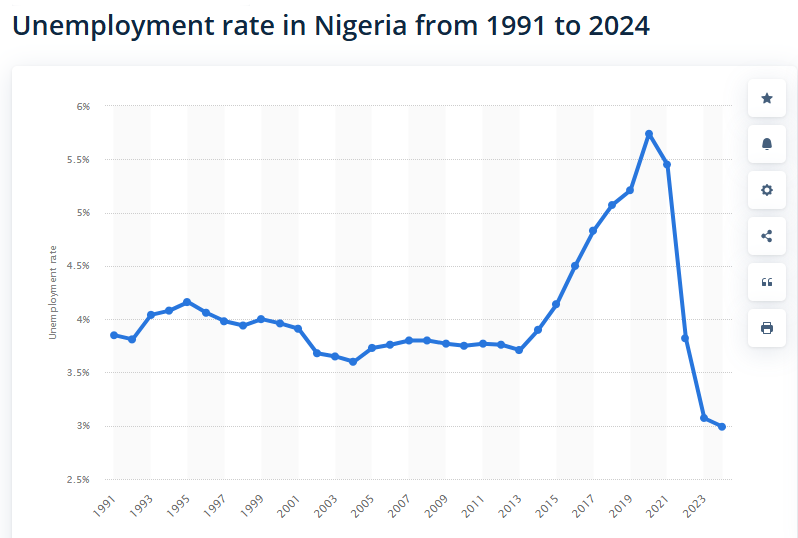
The Nigerian economy has changed in ways that demand creativity. With youth unemployment hovering above 3% (NBS, 2024) and inflation cutting deep into household budgets, many Nigerians are turning their homes into workplaces. Whether you are a student, a stay-at-home parent, or a 9–5 worker seeking an extra stream of income, starting a small business from home can be a life-changing decision.
Thanks to digital platforms and mobile tools, almost anyone can now run a profitable business from a smartphone. In this guide, you’ll learn 20 low-cost business ideas you can start immediately—some with ₦0 capital—and how to make them work for you.
What Makes a Business “Cheap” to Start in Nigeria?
A “cheap” business simply means one that requires minimal setup cost and can be operated with the tools you already have—often your phone, internet connection, and basic skills.
Key factors that make a business low-cost include:
-
No need for physical office space
-
Little to no inventory or equipment
-
Free or affordable digital marketing
-
Automated or online delivery of products and services
Today, platforms such as WhatsApp Business, TikTok, Instagram, Paystack, and Selar have made it easier to sell products or services without renting a shop or printing flyers.
Benefits of Starting a Business from Home
Running a home-based business in Nigeria is not only cost-effective but also empowering.
Here are some key benefits:
-
Zero Rent: No need to pay for shops or stalls.
-
Flexible Hours: You work at your own pace.
-
Work–Life Balance: Manage school, family, or another job while earning.
-
Digital Reach: You can sell to customers nationwide from your phone.
-
Low Risk: Small initial investment means minimal loss if it fails.
20 Cheapest Businesses to Start from Home in Nigeria (2026)
Below are practical business ideas you can begin today with little or no capital. Each includes how it works, cost, and tools to get started.
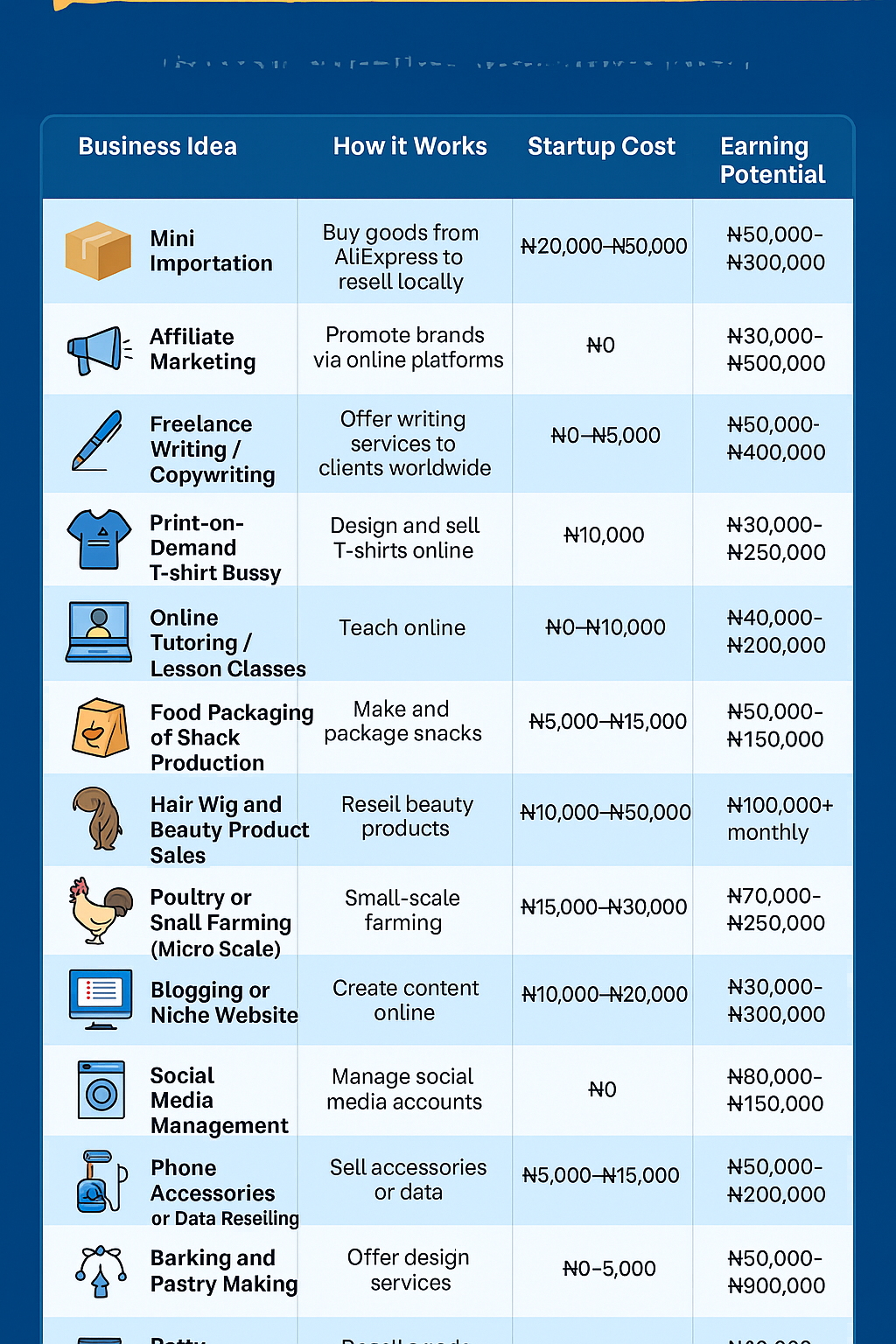
1. Mini Importation Business
How It Works: Buy goods in bulk from websites like AliExpress or 1688, then resell to Nigerians online.
Startup Cost: ₦20,000–₦50,000
Earning Potential: ₦50,000–₦300,000 monthly
Tools: Alibaba, WhatsApp, Instagram, Paystack
2. Affiliate Marketing
How It Works: Promote products from Jumia, Konga, or Expertnaire, and earn a commission when people buy through your link.
Startup Cost: ₦0
Earning Potential: ₦30,000–₦500,000
Tools: WordPress, Telegram, WhatsApp groups
3. Freelance Writing / Copywriting
How It Works: Offer writing, editing, or blog services to clients worldwide.
Startup Cost: ₦0–₦5,000 (for data and portfolio setup)
Earning Potential: ₦50,000–₦400,000
Tools: Upwork, Fiverr, LinkedIn, Google Docs
4. Print-on-Demand T-shirt Business
How It Works: Create T-shirt designs and sell online without keeping stock.
Startup Cost: ₦10,000
Earning Potential: ₦30,000–₦250,000
Tools: Canva, Selar, Shopify
5. Online Tutoring / Lesson Classes
How It Works: Teach WAEC, JAMB, or IELTS lessons online.
Startup Cost: ₦0–₦10,000
Earning Potential: ₦40,000–₦200,000
Tools: Zoom, YouTube, WhatsApp groups
6. Food Packaging or Snack Production
How It Works: Make and package snacks like chin-chin, puff-puff, or zobo for local sale.
Startup Cost: ₦5,000–₦15,000
Earning Potential: ₦50,000–₦150,000
Tools: Instagram, WhatsApp Status
7. Hair Wig and Beauty Product Sales
How It Works: Resell wigs, hair products, or natural creams from suppliers.
Startup Cost: ₦10,000–₦50,000
Earning Potential: ₦100,000+ monthly
Tools: Instagram, Facebook Marketplace
8. Poultry or Snail Farming (Micro Scale)
How It Works: Start with a small pen or plastic container setup.
Startup Cost: ₦15,000–₦30,000
Earning Potential: ₦70,000–₦250,000
Tools: Local feed, WhatsApp marketing
9. Blogging or Niche Website
How It Works: Create a content site about finance, education, or lifestyle.
Startup Cost: ₦10,000–₦20,000
Earning Potential: ₦50,000–₦300,000+
Tools: WordPress, Google AdSense, Canva
10. Social Media Management
How It Works: Manage small business pages and grow their online presence.
Startup Cost: ₦0
Earning Potential: ₦30,000–₦150,000
Tools: Canva, Meta Business Suite, Buffer
11. Phone Accessories or Data Reselling
How It Works: Sell chargers, earpieces, or affordable data plans.
Startup Cost: ₦5,000–₦10,000
Earning Potential: ₦50,000–₦200,000
Tools: WhatsApp, Paystack, Flutterwave
12. Baking and Pastry Making
How It Works: Make small cakes, meat pies, or cookies at home.
Startup Cost: ₦15,000
Earning Potential: ₦70,000–₦250,000
Tools: Oven, WhatsApp Business, Bolt Food
13. Skincare or Soap Production
How It Works: Produce organic soap or body cream using local ingredients.
Startup Cost: ₦10,000–₦25,000
Earning Potential: ₦100,000+
Tools: YouTube tutorials, WhatsApp marketing
14. YouTube Channel Creation
How It Works: Create content around education, comedy, or lifestyle.
Startup Cost: ₦0–₦10,000
Earning Potential: ₦100,000–₦1,000,000 (after monetization)
Tools: Smartphone, Canva, CapCut
15. Laundry & Ironing Services
How It Works: Offer washing and ironing to neighbors and local workers.
Startup Cost: ₦5,000–₦15,000
Earning Potential: ₦50,000–₦150,000
Tools: Pressing iron, detergent, flier marketing
16. Perfume Oil or Recharge Card Business
How It Works: Resell perfume oils or print recharge cards.
Startup Cost: ₦5,000
Earning Potential: ₦30,000–₦100,000
Tools: WhatsApp Status, referrals
17. Graphic Design / Logo Design
How It Works: Design visuals for businesses and brands.
Startup Cost: ₦0–₦5,000
Earning Potential: ₦50,000–₦300,000
Tools: Canva, Photoshop, Fiverr
18. Petty Trading (Online Resale)
How It Works: Resell thrift clothes, shoes, or kitchen items online.
Startup Cost: ₦5,000
Earning Potential: ₦40,000–₦150,000
Tools: Instagram, WhatsApp Business
19. Event Decoration / Party Supplies Rental
How It Works: Offer decoration items for birthdays, weddings, or graduations.
Startup Cost: ₦20,000–₦50,000
Earning Potential: ₦100,000+
Tools: Instagram, referrals, local events
20. Virtual Assistant / Online Customer Support
How It Works: Help businesses with email replies, scheduling, or online inquiries.
Startup Cost: ₦0
Earning Potential: ₦80,000–₦300,000
Tools: Trello, Google Workspace, Zoom
How to Choose the Right Home Business for You
Before jumping into any business, consider:
-
Your Skills: What can you do well? Writing? Cooking? Marketing?
-
Your Time: Some businesses are flexible, others demand daily effort.
-
Your Budget: Start within your means and reinvest profits.
Tip: Begin with one idea, perfect it, then diversify into others.
Tools and Free Resources to Start Your Home Business
You don’t need expensive tools to begin. Free resources include:
-
Canva: for designs and branding
-
WhatsApp Business: for marketing
-
Selar / Paystack: for online payments
-
Google My Business: for visibility
| Business Idea | Startup Cost | Monthly Profit | Difficulty Level |
|---|---|---|---|
| Blogging | ₦10,000 | ₦50,000–₦300,000 | Medium |
| Affiliate Marketing | ₦0 | ₦30,000–₦500,000 | Easy |
| Food Production | ₦5,000 | ₦40,000–₦200,000 | Easy |
Mistakes Nigerians Make When Starting Cheap Businesses
-
Expecting overnight results.
-
Neglecting marketing and record-keeping.
-
Falling for online investment scams.
-
Refusing to learn new skills or trends.
Remember: Success comes from consistency, patience, and reinvestment—not luck.
Real-Life Success Story
Ada from Enugu, a student who started frying and packaging chin-chin in her mother’s kitchen with just ₦10,000. She sold to classmates and on WhatsApp. Within six months, she expanded into supplying local shops, earning ₦150,000 monthly.
Her secret? She reinvested profits, improved her packaging, and used Instagram to attract customers.
Conclusion: The Future of Home-Based Business in Nigeria
The future of small-scale entrepreneurship in Nigeria lies in digital tools and creative thinking. Even with ₦0 capital, anyone can turn an idea into income with consistency and marketing.
Start small, stay consistent, and scale wisely.
Which business would you love to start first? Share your choice in the comments or explore more guides on profitable online ventures in Nigeria.
FAQs On 20 Cheapest Businesses to Start from Home in Nigeria – A Comprehensive Guide (2026)
1. What is the cheapest business to start in Nigeria today?
Affiliate marketing, freelance writing, and data reselling are among the cheapest.
2. Can I start a business with ₦10,000 or less?
Yes. Perfume oil, data reselling, or chin-chin production fit that range.
3. What business can a student start from home?
Blogging, affiliate marketing, or YouTube channel creation.
4. Which business gives the fastest return in Nigeria?
Food-related or digital services often yield quick profit.
5. Is mini importation still profitable in 2025?
Yes, especially with trending fashion or gadget items.
6. Can I start affiliate marketing with no capital?
Absolutely. You only need a phone, data, and social media reach.
7. What skills do I need for freelancing?
Writing, design, or digital marketing are top freelance skills.
8. How do I get customers for my home business?
Leverage WhatsApp, referrals, and social media ads.
9. Is blogging still profitable in Nigeria?
Yes, with consistent SEO-focused content.
10. What app can I use to sell my products for free?
Use WhatsApp Business, Jumia, or Facebook Marketplace.
11. How do I market my business online?
Post regularly, run small ads, and build relationships.
12. What is the best home-based business for women in Nigeria?
Beauty product resale, baking, or online tutoring.
13. How much can I earn from YouTube in Nigeria?
₦100,000 to over ₦1 million monthly, depending on views.
14. How do I sell my handmade products online?
Use Selar, Etsy, or Instagram to showcase and sell.
15. What is the safest investment app in Nigeria?
PiggyVest and Cowrywise are trusted by millions.
16. Can I combine a 9–5 job with a home business?
Yes, choose flexible ones like affiliate marketing or blogging.
17. Which business can I start as a student with a phone?
Affiliate marketing, tutoring, or social media management.
18. How do I avoid scams when starting online business?
Research platforms and avoid “get-rich-quick” promises.
19. Is freelancing better than affiliate marketing?
Both are profitable—freelancing pays faster; affiliate builds long-term income.
20. How can I grow my business fast with zero budget?
Focus on free marketing tools and excellent customer service.