
Canada has become one of the most attractive destinations for Nigerian students who want a quality education, global exposure, and opportunities after graduation. According to Immigration, Refugees and Citizenship Canada (IRCC), Nigerian applications for study permits have steadily increased over the past five years. However, visa approval rates remain challenging, with many students facing refusals due to incomplete documentation or weak financial proof.
If you are planning to apply in 2026, understanding the Canada student visa requirements for Nigerians is the first step to success. This guide explains everything you need to know, from eligibility to application tips, so you can avoid costly mistakes.
Why Canada is a Top Choice for Nigerian Students
-
High-quality education: Canada is home to top-ranked universities like the University of Toronto, McGill University, and the University of British Columbia.
-
Post-study opportunities: The Post-Graduation Work Permit (PGWP) allows international students to work for up to 3 years after graduation.
-
Diverse community: With over 60,000 Nigerians in Canada, students find cultural support and vibrant communities.
-
Affordable compared to the UK/USA: Tuition fees in Canada typically range from CAD 12,000 to CAD 25,000 per year, depending on the program and school.
Basic Requirements for Nigerian Students
To qualify for a Canadian study permit in 2026, Nigerian applicants must meet the following conditions:
-
Proof of Admission – A valid letter of acceptance (LOA) from a Canadian institution on the Designated Learning Institutions (DLI) list.
-
Valid Passport – The passport must be valid for the entire duration of your study program.
-
Financial Capacity – Evidence that you can pay tuition fees and cover living expenses.
-
Ties to Nigeria – Proof that you will return after your studies (family ties, property documents, or employment prospects).
-
Clean Record – Medical exams and police certificates may be requested.
Financial Proof Requirements
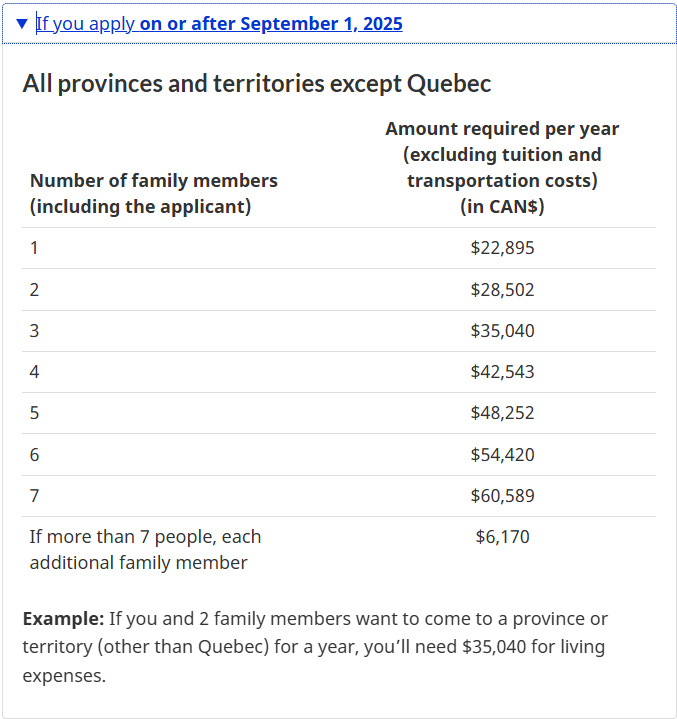
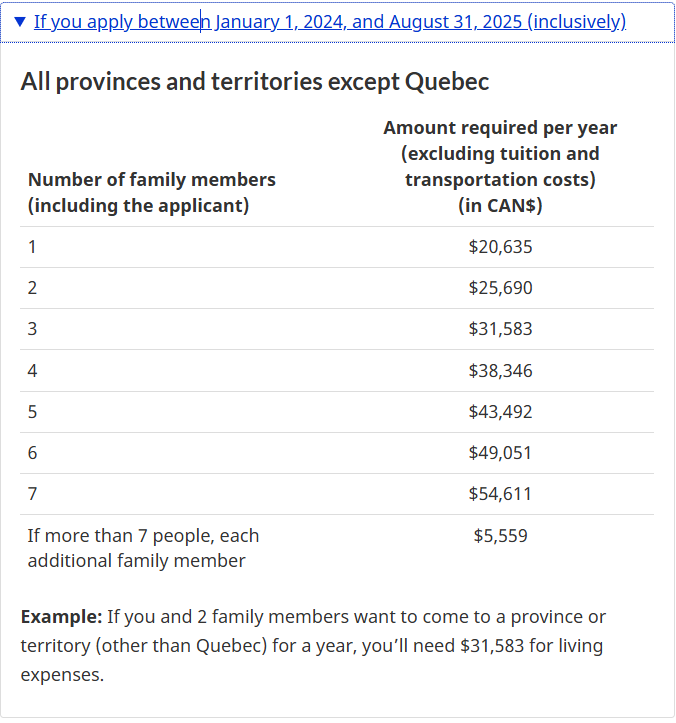
IRCC requires every international student to demonstrate that they have sufficient funds. For Nigerian applicants in 2026, the minimum funds are:
-
Tuition fees (varies by school, usually CAD 12,000 – CAD 25,000 per year).
-
Living expenses: CAD 20,635 for a single student per year.
-
Additional funds: CAD 4,000 for the first dependent and CAD 3,000 for each additional dependent.
Acceptable Proof of Funds:
-
Bank statements (last 4–6 months).
-
Proof of paid tuition fees or accommodation.
-
Student or personal loans.
-
Scholarship letters (e.g., Nigerian government scholarships or Canadian awards).
-
Sponsor’s letter of financial support.
Example: If your tuition is CAD 15,000 and living expenses CAD 20,635, you must show at least CAD 35,635 (about ₦40 million, depending on exchange rates).
Documents Checklist for Nigerians (2026 Update)
When applying for a Canadian student visa, you must prepare:
-
Valid international passport.
-
Passport-sized photographs.
-
Letter of acceptance from a Canadian DLI.
-
Completed study permit application form.
-
Proof of financial support.
-
Bank statements, sponsorship letters, or scholarship proof.
-
Statement of Purpose (SOP) or Study Plan.
-
Police clearance certificate (if required).
-
Medical examination results (from an approved panel physician).
-
Visa application fee receipt.
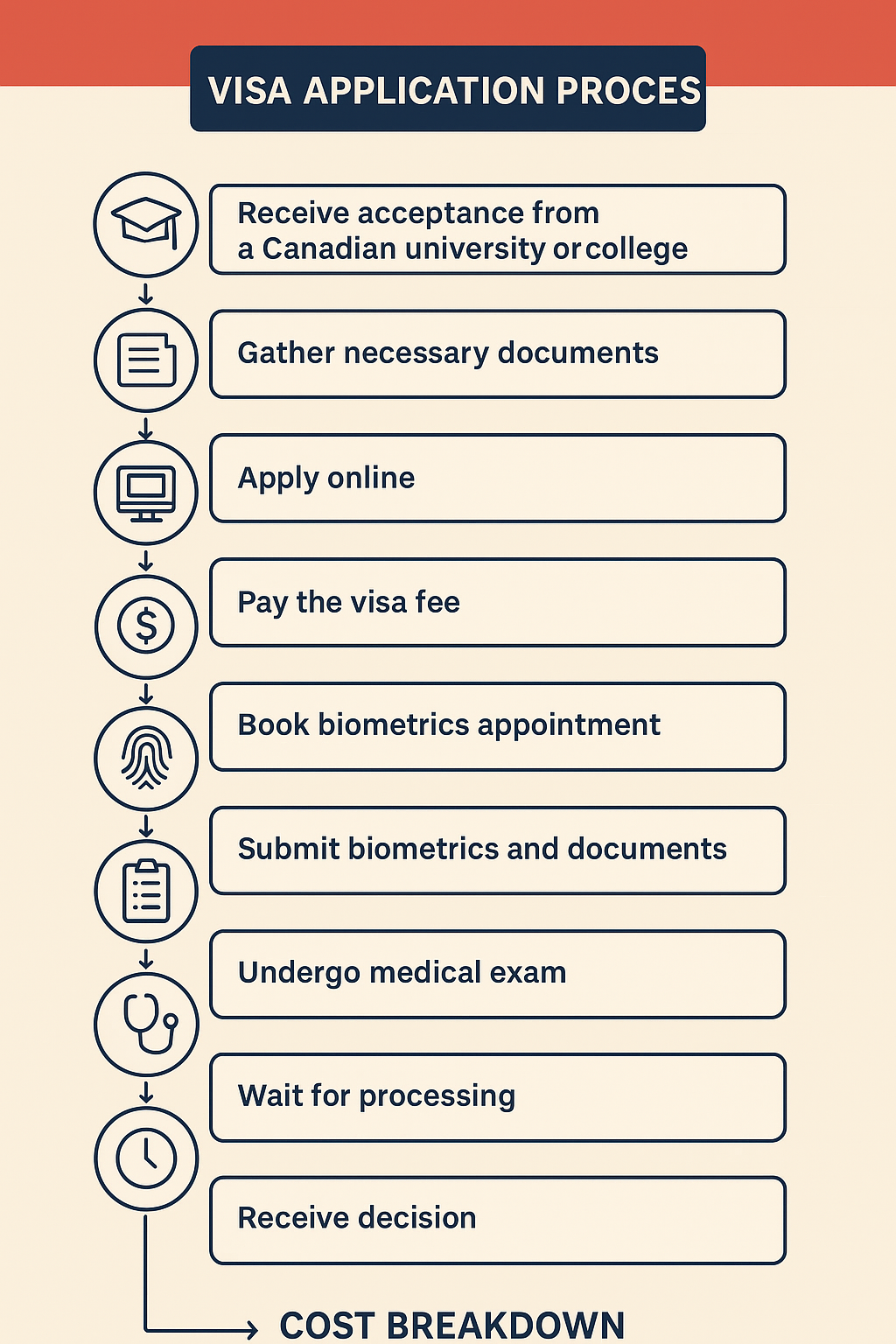
Step-by-Step Visa Application Process
-
Receive admission from a Canadian university or college.
-
Gather documents (acceptance letter, passport, proof of funds, SOP).
-
Apply online through the IRCC website.
-
Pay the visa fee (CAD 150 for the study permit + CAD 85 biometrics fee).
-
Book biometrics appointment at the VFS Global Canada Visa Application Centre in Lagos or Abuja.
-
Submit biometrics and documents.
-
Undergo medical exam if required.
-
Wait for processing (average 8–12 weeks for Nigerian applicants).
-
Receive decision – If approved, you’ll receive a Port of Entry (POE) Letter of Introduction.
-
Travel to Canada – Show your POE letter and passport to immigration officers on arrival.
Processing Time & Cost
-
Visa application fee: CAD 150 (approx. ₦175,000).
-
Biometrics fee: CAD 85 (approx. ₦100,000).
-
Medical exam: ₦45,000 – ₦60,000 (depending on hospital).
-
Police report: ₦10,000 – ₦20,000.
-
Processing time: 8–12 weeks (faster if you apply early).
10 Tips to Avoid Visa Refusal
-
Strong SOP/Study Plan: Explain why you chose Canada, your program, and future plans in Nigeria. Also read: How to Write a Strong SOP (Statement of Purpose) for Study Abroad Applications
-
Adequate funds: Show consistent financial records, not sudden large deposits.
-
Correct documents: Ensure no missing or expired documents.
-
Avoid fake bank statements: IRCC verifies details, and fraud leads to bans.
-
Show ties to Nigeria: Add property ownership, family responsibilities, or job offers.
-
Apply early: At least 6 months before your program starts.
-
Medical and police clearance: Complete promptly to avoid delays.
-
Proof of academic history: Submit transcripts and WAEC/JAMB results when required.
-
Consistent information: Avoid contradictions between your SOP and forms.
-
Seek expert guidance: Use licensed consultants or your school’s international office for assistance.
Conclusion
Getting a Canada student visa as a Nigerian in 2026 requires careful planning, accurate documents, and strong financial proof. Thousands of Nigerian students succeed every year, but approval depends on presenting a clear, genuine application. If you plan early and avoid common mistakes, your chances of success will improve greatly.
Tip: Subscribe to our newsletter for updates on scholarships, study guides, and visa opportunities for Nigerians planning to study abroad.
FAQs: Canada Student Visa for Nigerians in 2026
1. How much bank balance is required for a Canadian student visa in Nigeria (2026)?
At least CAD 35,000–40,000 (about ₦38–₦42 million), depending on tuition and living expenses.
2. Can I work while studying in Canada as a Nigerian student?
Yes. You can work up to 20 hours per week during semesters and full-time during holidays.
3. How long does it take to get a Canadian study permit in Nigeria?
Average processing time is 8–12 weeks, but delays may occur during peak application periods.
4. What is the visa refusal rate for Nigerian students?
In recent years, refusal rates have been high (over 50%), mainly due to insufficient proof of funds or weak SOPs.
5. Do I need IELTS for Canada student visa?
Yes, most Canadian schools require IELTS or TOEFL. Minimum IELTS band score is usually 6.0 – 6.5.
6. Can I bring my family with me to Canada?
Yes. Spouses can apply for open work permits, and children can attend Canadian schools.
7. What if my visa is refused?
You will receive a refusal letter explaining reasons. You can reapply after addressing those issues.
8. How do scholarships affect visa approval?
Scholarships strengthen your proof of funds and improve approval chances. Popular options include Vanier CGS and university-based awards.
9. Can I switch from study permit to permanent residency (PR)?
Yes. After graduation, many Nigerians apply for PR through Express Entry or Provincial Nominee Programs.
10. When should I apply for my Canada student visa for September 2026 intake?
Apply by March–April 2026 to allow enough time for processing.