In today’s fast-changing world, Nigerians are learning that one stream of income is no longer enough. Many young people, graduates, and even working-class professionals now run small side businesses that keep earning long after they log off.
The rise of digital tools, automation, and global platforms has made it possible to earn even while asleep. From affiliate marketing to YouTube, people now make money passively using their phones or laptops.
In this guide, you’ll discover 10 tested business ideas that make money while you sleep — all free or with little capital, tailored to the Nigerian environment.
What Does “Making Money While You Sleep” Really Mean?
The phrase “making money while you sleep” simply refers to passive income — money that keeps coming in with little daily effort.
It’s different from active income, where you must work to get paid (like salary jobs or daily hustles).
Examples of Passive Income in Nigeria:
-
A YouTuber earning from old videos.
-
A student earning from affiliate links on WhatsApp.
-
A teacher selling e-books or digital lesson notes online.
These ideas require effort at the beginning, but once they are properly set up, they generate continuous income.
Why Passive Income Matters in Nigeria’s Current Economy
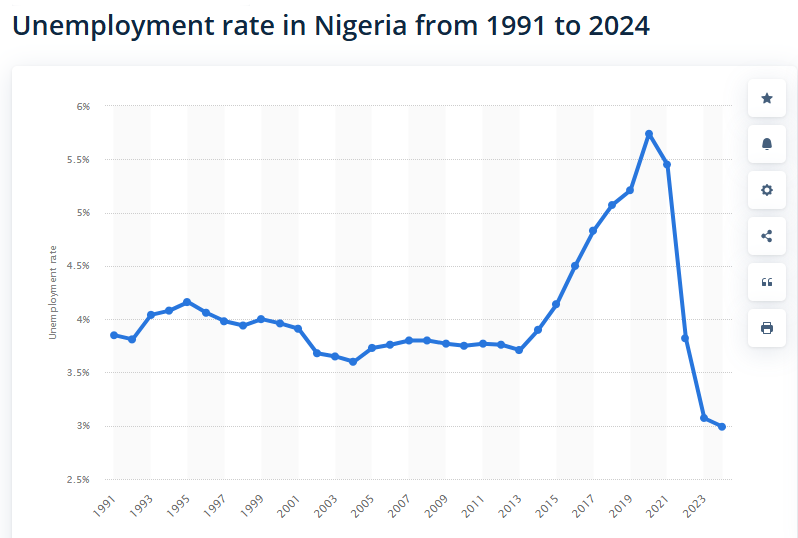
According to the National Bureau of Statistics, Nigeria’s unemployment rate stood above 2.99% in 2024, with underemployment even higher. Inflation and unstable job markets have made multiple income streams a necessity.
Meanwhile, fintech platforms like PiggyVest, Cowrywise, and digital marketplaces have opened ways for Nigerians to earn globally.
Depending on one income in today’s economy is risky. A single skill or online business can become a safety net and build wealth faster than saving alone.
10 Business Ideas That Make Money While You Sleep (For Free or with Little Capital)
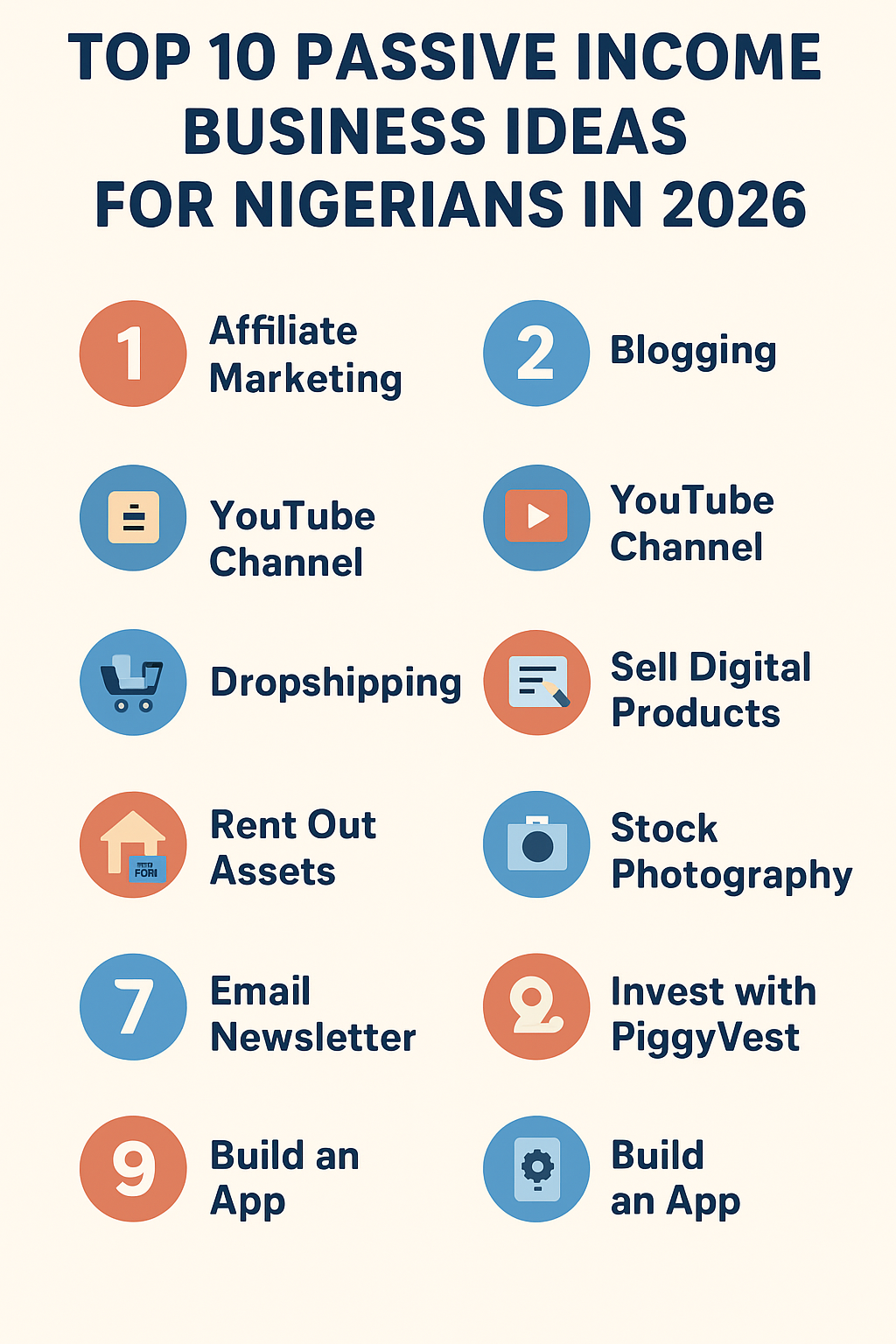
Below are 10 practical passive income business ideas that Nigerians can start today.
1. Affiliate Marketing
How it works: You promote products or services using your referral links and earn a commission each time someone buys through your link.
Where to start:
-
Jumia/Konga affiliate programs
-
Expertnaire
-
Amazon Associates
Setup cost: Free. You only need a smartphone or laptop.
Earning potential: ₦50,000–₦300,000 per month depending on traffic.
Tools: WordPress, WhatsApp, Telegram, or blog.
2. Blogging or Niche Website
How it works: You create a blog on topics you love — education, entertainment, finance — and earn from ads, sponsored posts, or affiliate links.
Setup cost: Low (₦10,000–₦20,000 for hosting and domain).
Earning potential: ₦100,000–₦500,000+ monthly once traffic grows.
Tools: WordPress, Canva, Google AdSense.
Example: Education blogs attract huge traffic and consistent ad revenue.
3. YouTube Channel (Monetized Content Creation)
How it works: Create videos people enjoy watching — tutorials, entertainment, or news commentary. Once your channel reaches 1,000 subscribers and 4,000 watch hours, you can monetize it.
Setup cost: Free (use your phone).
Earning potential: ₦150,000–₦1,000,000 monthly from ads and brand deals.
Tools: CapCut, Canva, InShot.
Example: Nigerian education channels like Lingua Africa and Brainstorm Tutors earn through consistent video uploads.
4. Dropshipping or Print-on-Demand Store
How it works: You sell items without holding stock. When a customer orders, the supplier ships directly to them.
Setup cost: Moderate (₦20,000–₦50,000).
Earning potential: ₦100,000–₦400,000 monthly.
Tools: Shopify, Paystack, AliExpress.
This is great for Nigerians who want to sell T-shirts, tech gadgets, or household items online.
5. Create and Sell Digital Products
How it works: Create e-books, templates, lesson notes, or online courses, then sell them repeatedly.
Setup cost: Free if you use free design tools.
Earning potential: ₦50,000–₦500,000 monthly depending on niche.
Platforms: Selar, Paystack Storefront, Etsy.
Example: Teachers selling WAEC/NECO lesson notes or JAMB prep e-books online.
6. Stock Photography or Art Licensing
How it works: Upload your photos, graphics, or beats to global platforms that pay you each time someone downloads them.
Platforms: Shutterstock, Adobe Stock, BeatStars.
Setup cost: Free.
Earning potential: $100–$1,000 monthly depending on volume.
Example: Nigerian photographers selling Lagos street or cultural photos globally.
7. Rent Out Assets
How it works: Rent out unused property, cars, or gadgets for income.
Example:
-
Short-term Airbnb rentals in Lagos or Abuja.
-
Car sharing for Bolt or Uber drivers.
Setup cost: None if you already own the asset.
Earning potential: ₦50,000–₦300,000 monthly.
8. Build an Email Newsletter or Subscription Community
How it works: Create valuable weekly newsletters on topics like scholarships, business tips, or study abroad guides.
Monetization: Through ads, affiliate links, or paid subscriptions.
Tools: Substack, ConvertKit, Mailchimp.
Earning potential: ₦100,000+ monthly with consistent growth.
Example: Bloggers who send “Study Abroad Alerts” earn from affiliate offers and ads.
9. Invest in PiggyVest or Cowrywise Savings Plans
How it works: You invest your money in automated savings or investment portfolios and earn interest monthly.
Setup cost: As low as ₦500.
Earning potential: 8–15% annual interest.
Platforms: PiggyVest, Cowrywise, Bamboo, Risevest.
This is a simple, safe form of passive income, especially for beginners.
10. Create an App or Software Tool
How it works: Build a simple app that solves a problem — e.g., study tracker, prayer reminder, or job alert tool — and monetize through ads or in-app purchases.
Setup cost: Low if you use no-code builders.
Earning potential: ₦100,000–₦1,000,000 monthly depending on downloads.
Tools: Glide, Adalo, or hire a local developer.
How to Choose the Right Passive Business Idea for You
| Criteria | Setup Time | Earning Potential | Ease of Start |
|---|---|---|---|
| Affiliate Marketing | 1 week | ₦300k/month | Very Easy |
| Blogging | 1 month | ₦500k/month | Moderate |
| YouTube | 2–3 months | ₦1M/month | Moderate |
| Dropshipping | 1 month | ₦400k/month | Harder |
| Digital Products | 2 weeks | ₦500k/month | Easy |
| Investments | 1 day | ₦100k/year | Very Easy |
Tip: Choose one idea, master it, then scale. Spreading yourself too thin early on reduces results.
10 Mistakes Nigerians Make When Trying to Earn Passive Income
-
Expecting quick money without effort.
-
Copying other people’s ideas blindly.
-
Neglecting marketing or promotion.
-
Not tracking income and expenses.
-
Falling for scams or Ponzi schemes.
-
Ignoring skill development.
-
Not reinvesting profits.
-
Giving up too early.
-
Over-relying on one income source.
-
Failing to research reliable platforms.
Real-Life Example: How a Nigerian Student Made ₦150,000 Monthly from Affiliate Links
Tosin, a 22-year-old student at the University of Ilorin, started promoting Jumia affiliate links for phone accessories in 2023.
He used his WhatsApp status and Telegram group to share deals with friends. Within four months, he made over ₦150,000 from commissions — without owning a product or paying for ads.
His success came from consistency and trust. This story shows that affiliate marketing works if you focus on audience building.
Conclusion: Start Small, Stay Consistent
Passive income doesn’t mean “no work.” It simply means work once, earn many times.
Start with one idea that fits your lifestyle. Whether it’s affiliate marketing, YouTube, or selling digital products, success comes from patience and regular effort.
Call to Action:
Which of these business ideas would you like me to guide you through? Share your thoughts in the comments or subscribe for weekly business and education tips.
20 FAQs on Passive Income Business in Nigeria (2025 Edition)
Q1. Which business can I start with zero capital in Nigeria?
Affiliate marketing, blogging, and YouTube are top free options.
Q2. How long does it take to start earning passive income?
Most people begin earning within 3–6 months of consistent effort.
Q3. Is blogging still profitable in Nigeria in 2025?
Yes. Niche blogs around education, jobs, and entertainment still attract millions of visitors.
Q4. Can students do these businesses?
Absolutely. Many undergraduates now earn from YouTube, affiliate marketing, or digital products.
Q5. What is the best passive income for beginners?
Affiliate marketing and content creation are beginner-friendly and require no startup funds.
Q6. Can I make money online in Nigeria without investment?
Yes. Start with free platforms like WhatsApp, Medium, or YouTube.
Q7. How do I get traffic for my affiliate links?
Use Facebook groups, Telegram channels, and blog posts to reach your audience.
Q8. What apps can I use to earn while sleeping?
PiggyVest, Cowrywise, and YouTube Studio are great for passive income tracking.
Q9. Do I need a website for affiliate marketing?
Not necessarily, but having one helps you look professional and boosts conversions.
Q10. How can I start a blog for free?
Use Blogger or WordPress.com before moving to paid hosting later.
Q11. Can I make money from e-books in Nigeria?
Yes. Some legit platforms allow Nigerians to sell directly in naira.
Q12. What is the easiest online business in Nigeria?
Affiliate marketing and YouTube content creation.
Q13. How do I create a YouTube channel that earns?
Focus on helpful content, stay consistent, and optimize video titles for SEO.
Q14. Can I start a dropshipping business in Nigeria?
Yes. Use Paystack for payments and suppliers from AliExpress.
Q15. How can I invest safely online?
Stick to verified apps like Cowrywise, PiggyVest, and Risevest.
Q16. How much can I make monthly from blogging?
₦100,000–₦10,00000+ depending on traffic and ads.
Q17. Are there scams in passive income platforms?
Yes. Always research before paying or signing up.
Q18. Can I combine multiple passive businesses?
Yes, but start with one and grow steadily.
Q19. What skill helps most in passive income?
Digital marketing, writing, and video editing.
Q20. How do I stay consistent?
Set weekly goals, track progress, and learn from others in your niche.
Hi