
For most Nigerian students, the Joint Admissions and Matriculation Board (JAMB) examination is the official gateway into higher institutions. Each year, over 1.9 million candidates register for the Unified Tertiary Matriculation Examination (UTME), hoping to secure admission into one of the nation’s universities.
Yet, the reality is harsh. With limited admission slots, intense competition, and the high rate of failure, many students are left stranded after JAMB. Parents and candidates often begin to ask a pressing question: “Is it possible to gain admission into Nigerian universities without JAMB?”
The answer is yes. There are legitimate, government-approved pathways that allow students to enter universities without passing through JAMB. By the end of this guide, you will learn the best alternatives, their requirements, and how to choose the one that suits your goals.
Why Some Students Seek Admission Without JAMB
The demand for university education in Nigeria far exceeds the available spaces. According to JAMB’s 2024 report, 1,904,189 candidates registered for UTME, but only about 600,000 secured admission across universities, polytechnics, and colleges. This means less than 35% gained admission.
Some of the main reasons students consider alternatives to JAMB include:
-
High failure rates – Many students struggle with JAMB’s CBT format or the strict marking scheme.
-
Limited slots – Popular universities like UNILAG, UI, and UNN have more applicants than available spaces.
-
Delays in admission – Candidates who miss the required cut-off score must wait another year.
-
Parental concern – Families seek faster or alternative pathways to avoid repeated failures.
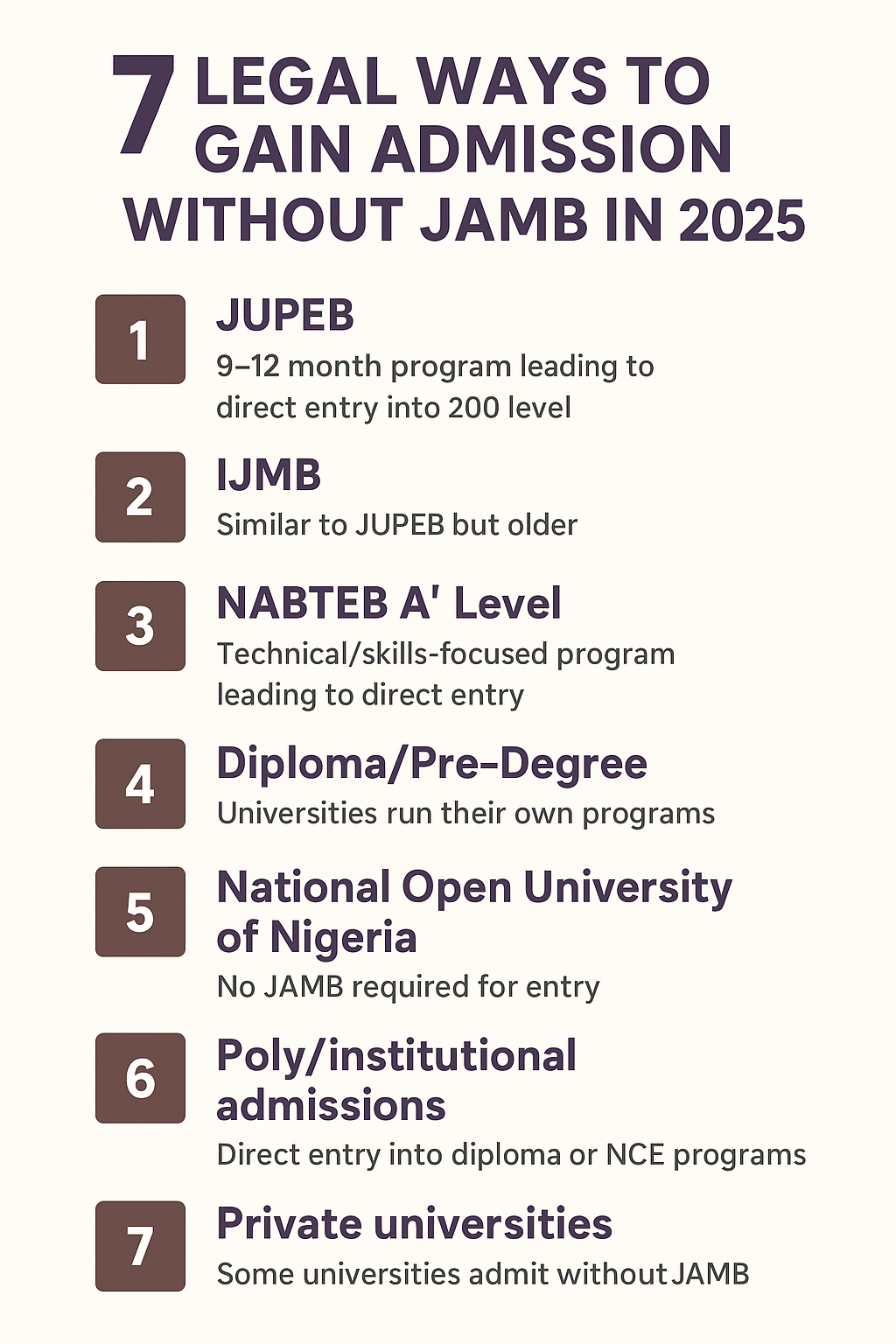
Legal Ways to Gain Admission Without JAMB
1. JUPEB (Joint Universities Preliminary Examinations Board)
JUPEB is a one-year advanced program that qualifies students for direct entry into 200 level in participating universities.
-
Duration: 9–12 months.
-
Accepted by: UNILAG, UNN, OAU, UNIBEN, and many others.
-
Requirements: Five O’Level credits in relevant subjects.
-
Cost: ₦150,000–₦200,000 depending on the university or center.
-
Benefit: Saves a year compared to 100-level entry.
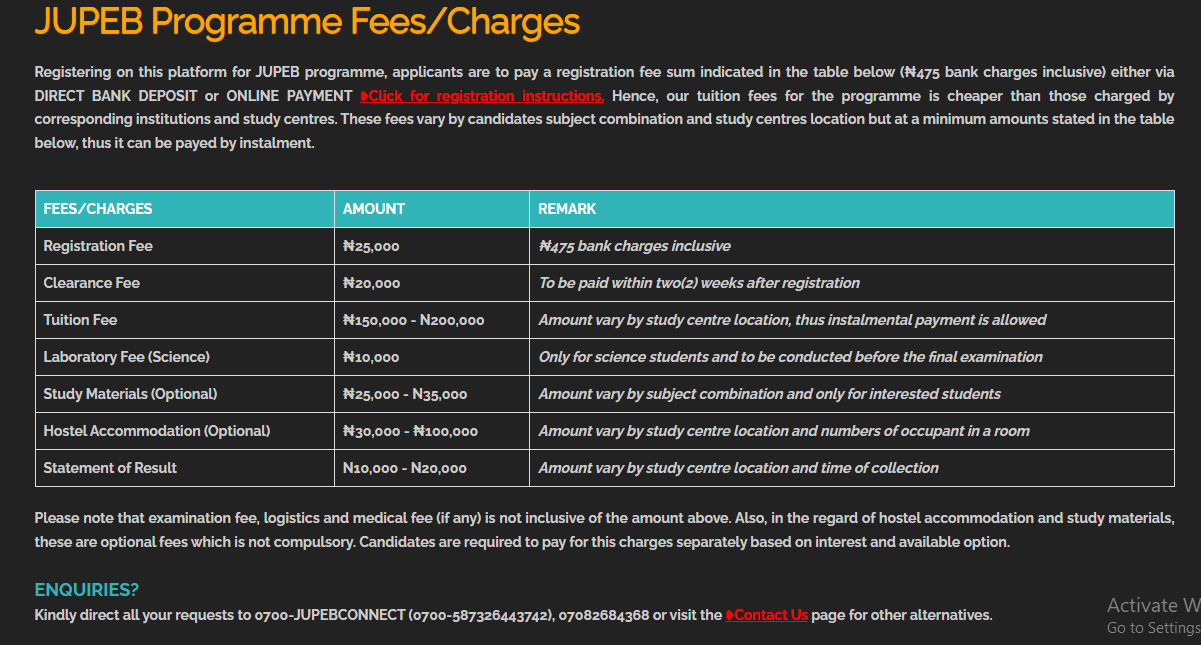
For those that one to apply for JUPEB, the registration process for 2025/2026 academic session is scheduled to end on the midnight of Friday 12th September, 2025. So if you are interested and not yet applied, rush now and get it done before the closing date. You can visit the official website; https://www.jupeb.org.ng/register.php for more information and the steps for registration.
2. IJMB (Interim Joint Matriculation Board)
The IJMB program, older than JUPEB, is another direct entry route. It is widely recognized, especially in northern universities.
-
Duration: 9 months.
-
Accepted by: ABU Zaria, Bayero University Kano, and over 70 universities.
-
Requirements: At least five O’Level credits.
-
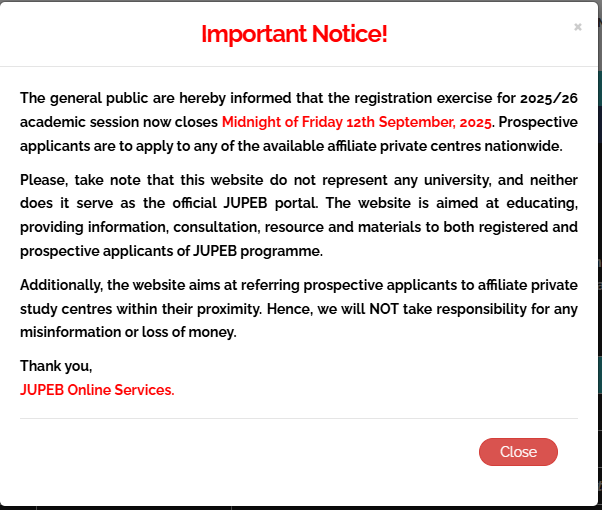
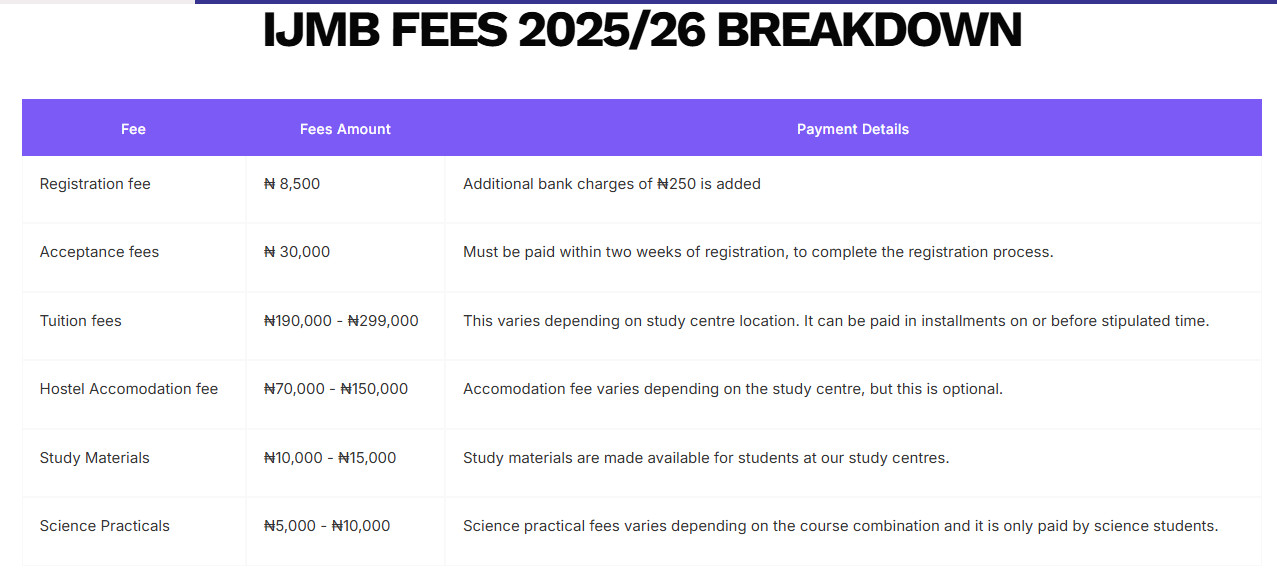
Cost: ₦190,000–₦299,000 depending on center. Bear in mind that these fees varies from programme to programmes.
-
Benefit: Students enter directly into 200 level after the program.
Follow this link https://ijmbe.org/acceptingijmb.php for the complete list of all the schools that are currently accepting IJMB.
3. NABTEB A’ Level
The National Business and Technical Examinations Board (NABTEB) A’Level program is designed for students who prefer a more technical path.
-
Focus: Science, engineering, and vocational students.
-
Recognition: Accepted in selected Nigerian universities.
-
Benefit: Provides both academic and technical career opportunities.
4. Diploma and Pre-Degree Programs
Several universities offer pre-degree or diploma programs as an entry route.
-
Examples: UNIPORT, UNILORIN, UNN, FUTA.
-
Duration: Usually one academic session.
-
Outcome: Successful students move into 100 or 200 level.
-
Note: Not all programs guarantee automatic transition, so students must check university guidelines.
5. National Open University of Nigeria (NOUN)
NOUN is a federal university that operates with a flexible system.
-
No JAMB requirement for entry.
-
Learning style: Blended online and physical centers across Nigeria.
-
Suitability: Working-class adults, part-time learners, and students seeking flexible study schedules.
-
Programs: Law, Nursing, Education, IT, Business, and more.
6. Polytechnic and College of Education Admissions
Polytechnics and Colleges of Education often admit students through internal screenings.
-
Requirement: O’Level credits in relevant subjects.
-
Benefit: Polytechnics allow HND graduates to switch to B.Sc. through direct entry or conversion programs.
-
Example: YABATECH, Federal Polytechnic Nekede, NCE programs at FCEs.
7. Private Universities with Alternative Screening
Some private universities in Nigeria admit students without JAMB. Instead, they rely on O’Level results and internal assessments.
-
Examples: Babcock University, Madonna University, Bowen University, and Covenant University.
-
Cost: Higher than public institutions, ranging from ₦500,000–₦1.5 million annually.
-
Benefit: Quicker admission processing and smaller class sizes.
Things to Consider Before Choosing an Alternative Route
Before settling for an alternative admission pathway, consider:
-
Cost implications – Private universities and JUPEB are expensive compared to JAMB.
-
Time commitment – Pre-degree and diploma programs usually last a year.
-
Accreditation – Ensure the center or program is accredited to avoid scams.
-
Long-term career goals – Confirm that employers and professional bodies accept the qualification.
Common Mistakes Students Make When Seeking Admission Without JAMB
-
Falling for scams – Many fake JUPEB and IJMB centers exist. Always verify accreditation.
-
Ignoring O’Level results – Without good WAEC/NECO grades, admission will still be difficult.
-
Pursuing illegal shortcuts – Some agents promise “direct university admission” without exams. These often end in disappointment.
FAQs on Admission Without JAMB
1. Can I gain admission into UNILAG without JAMB?
Yes, through JUPEB or Diploma/Foundation programs run by UNILAG.
2. Is JUPEB better than IJMB?
Both are recognized, but JUPEB is more popular in the south, while IJMB dominates in the north.
3. How much does JUPEB or IJMB cost?
JUPEB ranges between ₦150,000–₦200,000, while IJMB is often cheaper, from ₦190,000–₦299,000.
4. Does NOUN require JAMB for admission?
No. The National Open University of Nigeria admits students directly with O’Level results.
5. Which universities in Nigeria admit students without JAMB?
NOUN, several private universities, and public universities through JUPEB, IJMB, diploma, or pre-degree programs.
Conclusion
The Nigerian university system may appear rigid, but opportunities exist for students who cannot or prefer not to use JAMB. Whether through JUPEB, IJMB, diploma, NOUN, or private universities, there are legal and accredited routes to achieving your academic goals.
If you are planning your admission journey, weigh the costs, duration, and accreditation before committing. With the right pathway, your dream of becoming a university student in Nigeria can come true — even without JAMB.
Subscribe now to receive free admission guides, scholarship opportunities, and study resources to help you make informed choices.
